
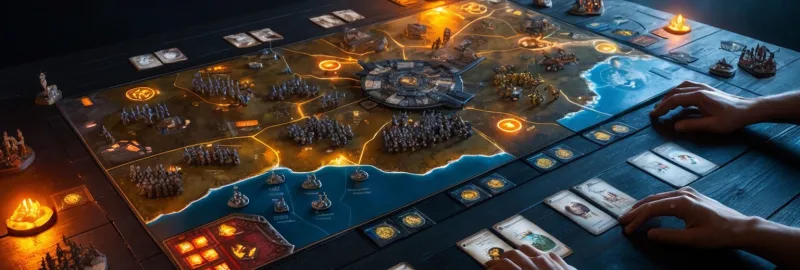
The game under discussion transforms classic negotiation and strategy into a streamlined card-based system that captures the essence of a well-known board game legend. At its core, the experience integrates the cerebral challenge of strategic alliances with the urgency of tactical decision-making. The minimalistic design shifts the focus away from traditional game boards and markers toward a delicate interplay of cards, each loaded with potential and risk. Players must deftly manage resources and deception in a system where diplomacy, subterfuge, and rapid calculation coalesce into a vivid, fast-paced contest of wits. Every decision taken at the table carries the weight of shifting allegiances, unpredictable outcomes, and a balance between cooperation and rivalry that defines the heart of the engagement.
The Dance of Strategy and Tactics
The game unfolds as a dynamic interplay of strategic choices and tactical maneuvers, where players navigate a network of decisions that build up over each turn. Each move is a careful balance between advancing one's position and sabotaging potential threats from opponents. With every card played, the inherent uncertainty of the next round deepens, prompting players to weigh their choices meticulously. The mechanism for unit progression stands as a prime example: as you add cards to your designated grid, you slowly edge towards supremacy while simultaneously exposing your strategy to keen onlookers. Every decision can reverberate across the table, making each round a delicate dance of planning and reaction. The complexity "resides not merely in the order but also in" the variety of moves which has the potential to tip the balance of power in an instant.
Resource Management and Card Synergy
Central to this experience is the nuanced art of resource management and the strategic synergy of diverse card types. Each player maintains a hand of cards representing different facets of their military, political, and naval capabilities, which must be adeptly leveraged. The cards are more than simple tokens; their roles are interdependent, requiring players to foresee how combinations can result in dramatic swings during gameplay. The interaction of unit cards and order cards forces players to balance long-term growth with the necessity for immediate tactical responses. Every drawn card adds another layer of opportunity, whether it means enhancing one’s own grid or disrupting an opponent’s carefully laid plans. The interplay between what is held in one’s hand and what is laid out on the grid defines the fluidity and depth "which encapsulates the unique advantages the game delivers".
Alliance Formations and Intricate Negotiations
The intensity of negotiations and alliance building serves as a keystone for the game, reminiscent of its board game predecessor. Players engage in timed discussions filled with promises and veiled threats, navigating a maze of potential coalitions that can either bolster their position or leave them dangerously exposed. This high-stakes dialogue isn't simply an optional extra but an essential component that influences decisions on the card. The mechanics allow for multiple layers of interaction: orders are played not in a vacuum but in conversation with adversaries and temporary allies. Strategic agreements are forged in whispers and half-truths, setting the stage for later betrayals. The thrill emerges from the understanding that trust is temporary and that every verbal commitment may have hidden implications, creating a dynamic and ever-shifting gameplay environment that rewards both wit and caution.
The Relevance of Specialized Order Cards
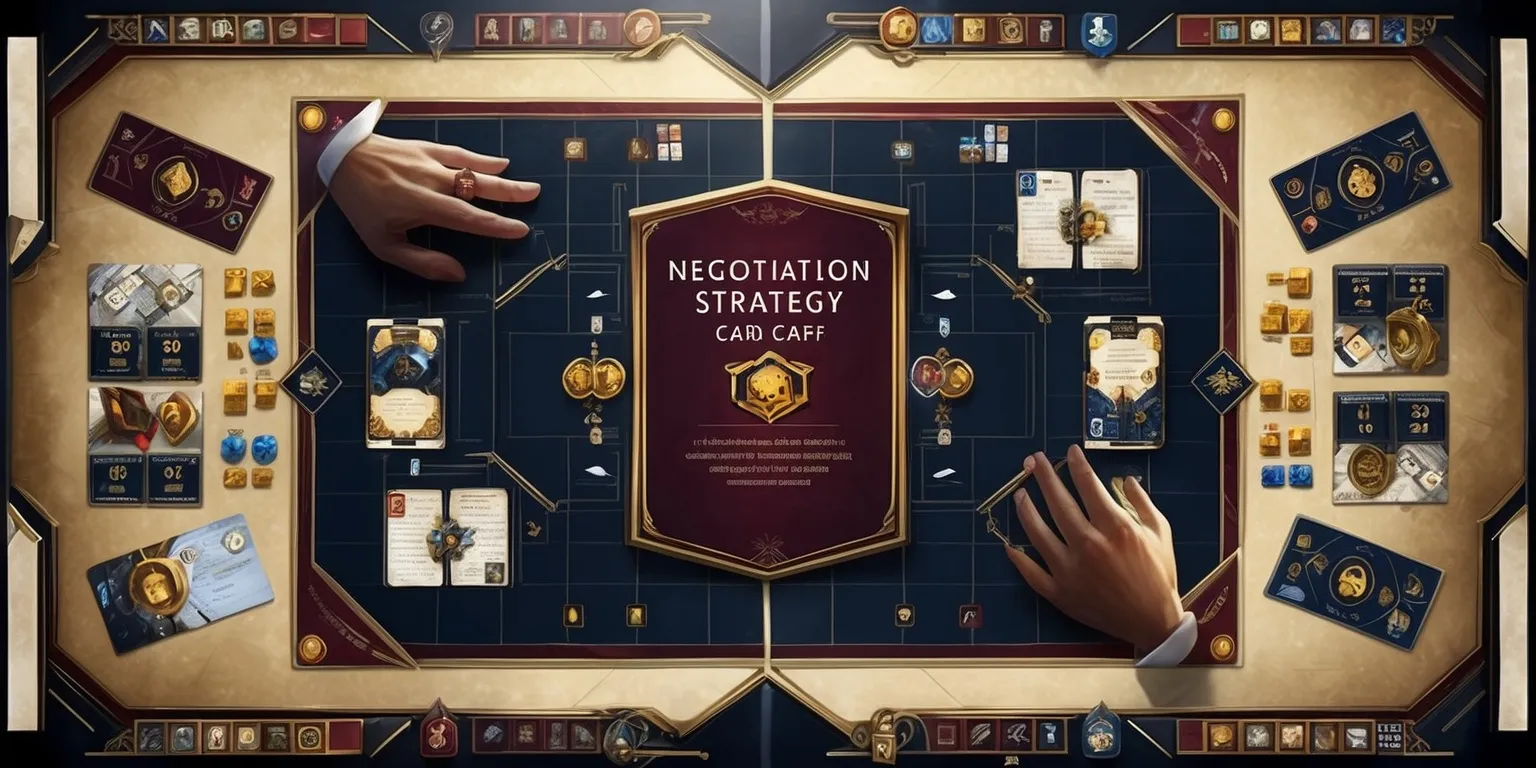
A closer examination of the order cards reveals the game’s commitment to layered complexity. These cards, which come with both textual instructions and pictorial cues, are pivotal in dictating how confrontations and exchanges are resolved. Each category—be it for military, political, or naval maneuvers—introduces a suite of possibilities that significantly alter the game’s trajectory when deployed. The text on the cards is not merely descriptive; it encapsulates a range of effects that compel players to adjust their approach based on the type and timing of the orders. This system serves to intensify traditional rock-paper-scissors dynamics, where the outcome is determined by matching or surpassing an opponent’s displayed capability. The deliberate design ensures that every round is laden with the potential for swift reversals, rewarding players who are adept at reading both the situation at hand and the tendencies of those they face.
The Aesthetic and Functional Simplicity of Components
The tangible elements of the game mirror its underlying philosophy: simplicity paired with strategic depth. With only cards and punch-out markers to contend with, the components do not overwhelm but instead clarify the focus of gameplay. The unit cards come in precise sizes and function clearly as all players can understand their role in mapping progress across a three-tiered grid system. Though the artwork on the cards is not extravagant, it is precise and unmistakably functional, lending the gameplay a utilitarian charm that distinguishes it from more opulent titles. The design aesthetic reinforces clarity over flourish, ensuring that the mechanics remain intuitive even as the strategies become increasingly sophisticated. This approach underlines a design philosophy that values transparency and efficiency, enabling fluid interactions and a clean visual presentation during each intense turn.
The Interplay of the Grid and Ascending Power Levels
The grid system, which represents a player’s progression, is a pivotal structural element of the game that unfolds over each turn in distinct stages. Each column in the grid corresponds to a power level, with incremental card placements unlocking advanced capabilities. This layout not only visualizes a player’s burgeoning strength but also adds an element of unpredictability as opponents gauge when to counter or cooperate. The method of building up a row across military, political, or naval segments requires foresight, as accumulating too visibly in one area may trigger concerted opposition from others at the table. The grid functions as both a roadmap for potential victory and an open ledger displaying every player’s current state. In this way, the elegance of the grid lies in its dual role as measure of progress and as an invitation for strategic interference from other participants.
The Rapid Tempo and Time-Driven Dynamics
One notable feature is the game’s deliberate pacing, chosen to streamline turns while preserving the essence of the original. Each round is bounded by a time limit during negotiations, infusing the process with urgency and spontaneity. This time-driven dynamic compels players to rely on their instincts as quickly as they deliberate tactical choices. During this brisk interval, every moment counts as alliances are tentatively formed and strategies are rapidly reshaped to counter emerging threats. The temporal pressure ensures that debates do not linger, maintaining a focus on immediate tactical surprises versus long-term deliberation. This distinctive rhythm distinguishes it from more drawn-out experiences, demanding that players engage quickly and decisively. In a system where even brief negotiations can sway the outcome, the momentum of play is masterfully harmonized with the clever layout of card interactions and grid management.
The Layered Implementation of Tactical Orders
Central to the game’s appeal is the nuanced system of tactical orders that consists of several specialized card types. Each category—ranging from military and political to naval—brings its own set of actions and counteractions that players must navigate. This layered implementation of order cards creates a multi-faceted battlefield where every decision can Radically transform the current dynamics. For example,, some orders allow players to manipulate or exchange cards between hands, while others provide a defensive shield or an offensive thrust. The variation in card effects ensures that no two rounds are identical; instead, they present a fresh tableau of possibilities that challenge both planning and adaptability. The sheer variety encouraged by these tactical orders "not merely enriches the strategic framework but also" cultivates an environment where ingenuity, anticipation, and even subtle misdirection can turn a balanced game into a rapidly evolving conflict of wills.
The Tactical Implications of Player Progressions
The method by which players accumulate cards in distinct unit categories introduces a fascinating layer of strategic decision-making. As individuals advance by adding cards to their rows representing different dimensions of strength, they face inherent dilemmas: focus on accelerating a single unit type or diversify to mitigate the risk of becoming too transparent. This mechanic encapsulates the game’s broader narrative of risk versus reward. Players must continuously re-assess their positions while balancing offensive ambitions with defensive safeguards. At critical junctures, rapid progress in one area might simultaneously mark a player as an imminent threat, thereby triggering coalitions among competitors aimed at curbing that advantage. The resulting tension fuels the competitive environment, where each move is both a step towards victory and an invitation for others to unite against the emerging leader, thus weaving a complex web of intent and counterplay that enlivens every turn.
The Pulse of Interpersonal Interactions
Equally important is how the game fosters deeply personal interactions among the players, replicating the spirit of its classic predecessor. Beyond the mechanics, the game becomes a study in human behavior; every gesture and whispered negotiation carries the potential for strategic advantage. The prompt to engage in a timed dialogue allows for the rapid exchange of ideas, threats, and potential alliances that add a distinctly human element to the competition. In this environment, players are challenged to gauge the sincerity of promises while preparing for inevitable misdirection. The intensity of these interpersonal exchanges is heightened by the fact that the threat of betrayal looms large, making every word and every gesture meaningful. Even as the cards determine the technical outcome, it is the conversations and shifting loyalty that infuse the hours with an unpredictable, character-driven pulse and an atmosphere rich with tension.