

Immersive Survival in the Frozen Expanse
Dread Hunger takes you into a world where survival is as much about cunning collaboration as it is about identifying deceit. As an experienced gamer, I was drawn to this title because it challenges you to read not only the environment but also your fellow passengers on a treacherous arctic voyage. At its core, Dread Hunger is a multiplayer experience set amid a backdrop of icy desolation, where the slightest misstep or misplaced trust can lead to disastrous outcomes. Unlike traditional survival games, its unique twist lies in hidden agendas and betrayal, making every session a fresh puzzle to solve.
The Art of Deception and Strategy
The game’s narrative is spun around the concept of trust— or more accurately, the erosion of it. When you choose to play Dread Hunger, you are immediately thrust into a scenario where collaboration can swiftly turn into a conspiracy. Each participant has a dual role: they are expected to contribute to the ship’s survival while possibly concealing a darker, more self-serving intent. As you set out to navigate through the frozen wastelands, you are constantly weighing your allies' words against your own instincts.
Balancing resource management, environmental hazards, and the ever-looming threat of betrayal ensures that the game never falls into a predictable routine. For those who love layered gameplay, Dread Hunger’s mechanics force you to adapt. Whether coordinating on deck to unblocked challenges or ensuring that strategies remain fluid enough to counter unexpected moves from your adversaries, every moment demands thoughtful decision-making.
Intuitive Mechanics and Visual Storytelling
One of the standout aspects of Dread Hunger is its commitment to intuitive game mechanics and compelling visual storytelling. The art direction manages to capture the stark, unforgiving landscape of a frozen world while complimenting the dark undertones of human frailty. The graphics, though not hyper-realistic, are meticulously crafted to enhance the eerie ambience that permeates the entire experience. The developers have struck a balance between atmospheric detail and smooth performance, making it accessible on various systems.
Navigating through the game introduces a subtle yet effective tutorial that gently eases new players into the complexities of the game’s systems. From basic navigation to advanced tactics involving on-the-fly strategy adjustments, each layer of the game builds on its predecessor. This progression makes each subsequent play session feel not only challenging but also immensely rewarding.
What truly impresses is the way the game communicates its state without bogging down the player with excessive dialogs or cumbersome explanations. Instead, the environment, the behavior of non-player characters, and even the interface itself act as silent narrators, guiding you through the unfolding drama. It’s as if the game is constantly whispering strategic insights into your ear just as you consider your next move.
Dynamic Multiplayer and Social Interaction
Multiplayer in Dread Hunger is a rollercoaster of emotions—one minute, you’re working cohesively with a team to steer the vessel through icy perils, and the next, suspicions arise and long-held friendships are put to the test. The need to gather crucial resources, face environmental hazards, and simultaneously monitor potential saboteurs creates an environment where every interaction is charged with tension.
The chat system and in-game communication tools are robust enough to encourage both cooperative tactics and strategic deception. It’s particularly interesting for players who enjoy engaging in informal role-playing or subtle banter, contributing to the overall immersive experience. This specialization in social dynamics is one of the game’s most commendable features, encouraging a level of player interaction that remains truly unforgettable even after several sessions.
However, not every session is smooth sailing. The constant need for vigilance may sometimes lead to communication breakdowns or misinterpretations among team members. Still, this unpredictability is arguably one of the game’s key strengths, forcing you to continuously adapt and rethink your strategy over and over again.
Balancing Tension with Cooperative Gameplay
What sets Dread Hunger apart in a crowded field of survival games is the clever juxtaposition between the looming threat of internal betrayal and the necessity for teamwork. Each play session becomes a dance of subtle cues and strategic plays, as you decide whether to trust a friend or view them with caution. As someone who has delved deeply into competitive multiplayer environments, I found this continuous tension both refreshing and addicting.
The game encourages experimentation with various tactical approaches—whether direct confrontation, stealthy maneuvering, or collaborative problem-solving. The scope for emergent gameplay is vast, meaning that no two sessions ever feel identical. In this sense, Dread Hunger pushes the envelope by providing a framework that is simultaneously structured and flexible.
Moreover, the interplay between cooperation and hidden agendas makes the game ripe for community-driven content. Many players have taken it upon themselves to create inventive strategies and even develop cheats or mods that add a unique twist to gameplay. The willingness of the gaming community to explore these outside elements adds a significant layer of longevity and replayability.
Technical Performance and Accessibility
From a technical standpoint, Dread Hunger performs admirably across an array of setups. The developers have ensured that the game can run smoothly on various computers, making it possible for even users with older systems to install and play without glaring issues. Its performance optimizations allow it to be enjoyed on multiple platforms, ranging from dedicated gaming PCs to cloud-based systems. This inclusivity is evident in every aspect of the game, as it ensures that a wider audience can engage with its challenging gameplay.
Accessibility extends beyond hardware considerations. The interface is designed with clarity in mind, ensuring that even newcomers quickly learn the ins and outs of managing both the mechanics and the complex social dynamics at play. This design efficiency also translates to quicker load times and streamlined interactions, minimizing downtime and maximizing engagement. As an experienced gamer, I appreciated these subtle touches that elevate the overall experience.
Exploring the World Beyond the Core Gameplay
Dread Hunger does more than just test survival skills—it also offers a glimpse into the broader human condition under extreme circumstances. The narrative is cleverly interwoven with themes of isolation, sacrifice, and the darker facets of human nature, all set against the relentless backdrop of a frozen wilderness. The setting itself serves as a powerful metaphor for isolation in the modern world, where teamwork and competition coexist in delicate balance.
Exploration is an integral component of the game. Whether you are meticulously combing through the environment for scarce resources or engaging in tense conversations with fellow passengers, each action is loaded with risk and reward. The game brilliantly uses its environment to enforce these elements, encouraging exploration even when the minimum is required to progress. In this way, the gameplay extends beyond conventional boundaries, engaging both the body and the mind in a challenging exercise of strategy and trust.
As designers continue to support Dread Hunger with updates, community-driven cheats and mods have become a common addition that opens an avenue for personalization. These modifications, while unofficial, highlight the creativity of the player base and lend fresh nuances to gameplay dynamics. Whether you view them as creative enhancements or simply as experimental configurations, they underscore a vibrant community eager to keep the experience evolving.
Community, Competition, and Evolving Strategies
The gamer community around Dread Hunger is both vibrant and diverse. There’s a constant stream of content—from strategy guides to detailed explorations of cheats and mods—that further enriches the overall experience. Forums and social media groups are bustling with debates on tactics and discussions about the myriad approaches to managing the game’s inherent risks. For many, these interactions have become as engaging as the game itself.
In competitive circles, players often share their experiences with different ways to approach problems, offering advice on how best to download the latest patches, install popular mods, or even discover unblocked pathways that allow you to enjoy the game in restricted environments like schools or work spaces. The sharing of such insights not only helps newcomers find their way but also ensures that even seasoned players discover new angles to explore.
The ongoing dialogue among players is a testament to how deeply immersive the game has become. Developers continue to monitor community feedback closely, often implementing changes that are reflective of what players want to see. This responsiveness has forged a strong bond between the creators and the audience, ensuring that each update feels like a step forward in a long, shared journey.
Final Reflections from an Experienced Gamer
After countless sessions navigating the perilous corridors and unpredictable dynamics of Dread Hunger, I have come to appreciate the game not only as a survival challenge but as a meditative exploration of trust and strategy. Every moment spent on the icy deck is a reminder that gaming is as much about understanding human psychology as it is about reacting to digital stimuli. The unpredictability and high stakes make it a perfect title for those who crave a robust multiplayer experience, rich in tension and complexity.
The opportunity to install various mods and explore community-generated cheats further extends the game’s lifespan, inviting you to tweak and enhance your experience. Whether you are a casual participant looking to try something new or a hardcore competitor aiming to refine your strategies, Dread Hunger offers a compelling mix that keeps the adrenaline high and the camaraderie intact. Enabling you to download new updates and patches seamlessly, the game continually reinvents itself to prevent stagnation.
I found the journey engaging from start to finish, and while not every strategy succeeded, every defeat was a lesson learned in the art of gaming survival. This constant evolution—balancing between cooperative maneuvers and individual ambition—cements Dread Hunger as one of the most thought-provoking multiplayer experiences I have encountered in recent years.
The developers have done an incredible job interlacing high-intensity gameplay with subtle narrative cues that speak to deeper human dynamics. In an era where many titles feel overly scripted or fail to account for the unpredictable nature of human interaction, Dread Hunger stands out by inviting you to shape the story. With every session, your choices ripple through the game, forming a unique narrative that is fresh, unpredictable, and profoundly engrossing.
For those in search of a game that challenges your instincts, tests your ability to cooperate under duress, and rewards strategic thinking with moments of genuine triumph, Dread Hunger is a title well worth exploring. From the first moment you download the game to your final play session on a frosty night, you will find that this experience is as captivating as it is challenging, cementing its place in the pantheon of innovative survival games.
How to download Dread Hunger
Dread Hunger is available for download on multiple platforms, including PC, Mac, and Android. The game can be accessed through its official website or from trusted gaming portals where you can install the latest version. Although the base game might occasionally offer free trials or free play sessions during special events, generally, it requires a purchase to access the full experience.
The game supports various platforms, and while some systems might run it natively, others may require cloud-based services or emulators. Users are advised to check the official site for detailed installation guides. Typically, the process involves downloading the installer, following the setup instructions, and launching the game with minimal configuration.
Minimum system requirements for the game generally include a modern processor, 4GB of RAM, and a recent GPU model on PC, while similar adjusted specifications apply for Mac and Android devices. Players have discovered ways to integrate cheats and mods, enhancing both the visual and gameplay experience, making each session uniquely customizable. For those in restricted environments, there are methods to access an unblocked version that can be played even in schools or workplaces.
Screenshots
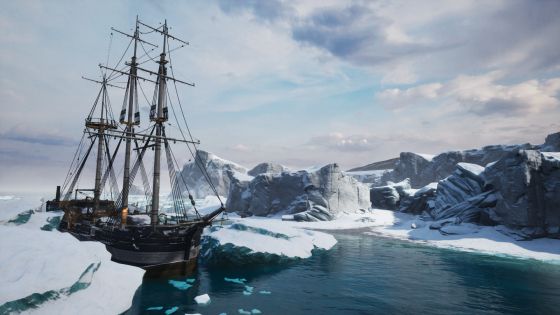
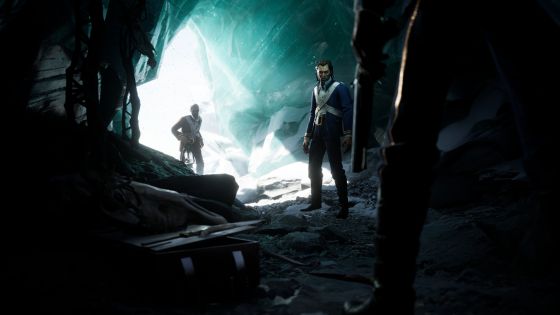
To download the app, you will get links to the Official Website and/or official digital markets.
Pros
- Engaging multiplayer mechanics that blend cooperation with strategic deception
- Intuitive game mechanics and clear visual storytelling that ease player immersion
- Robust environmental and resource management elements that add depth
- Cross-platform accessibility with smooth performance on both modern and older systems
- Regular developer updates and vibrant community content that extend replayability
- Comprehensive tutorial and interface design that helps new players adapt quickly
Cons
- Occasional communication breakdowns may disrupt team coordination
- High tension and complex social dynamics can overwhelm casual gamers
- Performance issues may arise on certain older systems despite optimizations


