
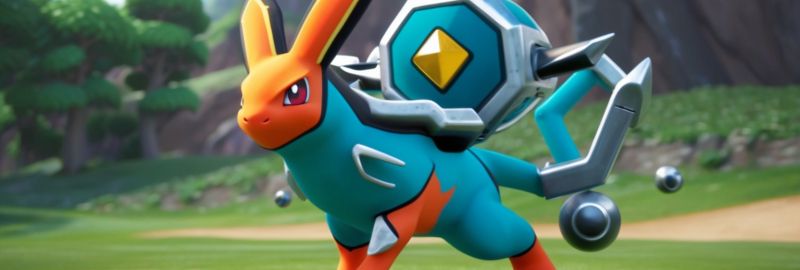
In the ever-evolving world of Pokémon Go, one type that consistently draws attention is Steel, celebrated for its exceptional defensive capabilities and strategic advantages. The unique qualities of Steel-type Pokémon not only impact gameplay tactics but also enrich the overall gaming experience with their distinctive design and battle roles. As trainers progress through various challenges and events, understanding the intricate details of how these Pokémon perform becomes essential. The focus here is not just on raw strength but also on the interplay between functionality, aesthetics, and in-game mechanics that give Steel-types a permanent place in competitive play and casual adventures alike.
Reinforced Foundations and Battle Dynamics
Steel-type Pokémon represent a critical asset in any trainer’s arsenal, and their reinforced build lends them unmatched durability on the battlefield. In Pokémon Go, the robust defense of these creatures is a reflection of their origins in lore and design, where strength and resilience are emphasized in every detail. Their natural resistance to numerous other Pokémon types creates diverse battle scenarios, challenging opponents to rethink conventional strategies. Beyond raw power, the tactical depth offered by Steel Pokémon requires trainers to carefully balance their team composition. With their ability to withstand the onslaught of various types, particularly Poison attacks, they serve as a countermeasure against numerous threats. Their robust structure is not merely visual flair but a key component in their in-game performance, underscoring the synergy between aesthetics and functionality.
Defensive Mastery and Tactical Superiority
One of the standout features of Steel-type Pokémon in Pokémon Go is their unparalleled defensive mastery. These creatures are engineered to absorb and mitigate damage, making them indispensable during critical battles. The interplay between durability and strategic positioning allows trainers to push forward with confidence even in the face of strong adversaries. Their defensive repertoire is enhanced by innate resistances that provide a cushion against hostile moves, particularly from types that would otherwise exploit vulnerabilities. This defensive prowess seamlessly translates into a gameplay mechanic where timing, positioning, and power-ups become more significant. Trainers are compelled to engage with the layered mechanics of the game, ensuring that every move is calculated and every counter-strategy is in place, ultimately transforming battles into dynamic tests of skill and planning.
Strategic Interactions with Fairy, Ice, and Rock Types
The strategic benefits of Steel-type Pokémon are most evident in their interactions with specific opposing types in the game. With an inherent superiority over Fairy, Ice, and Rock-type Pokémon, Steel types provide a crucial edge in battles where these adversaries would normally pose a significant threat. This interaction is not just a trivial matchup; it requires trainers to understand nuanced Distinct type strengths that have the potential to reverse the momentum of combat. By leveraging their strengths against these particular foes, Steel-type Pokémon can consistently outmaneuver opponents, especially during event battles or high-stakes matchups. This tactical dynamic deepens the gameplay complexity by encouraging an analytical approach to team formation. It invites trainers to devise strategies that capitalize on the inherent resistances and advantages of Steel, thus paving the way for more thoughtful and effective engagements in the arena.
Comparative Analysis: Legendary vs Non-Legendary Showcase

The conversation around Steel-type Pokémon in Pokémon Go often pivots between legendary stalwarts and their non-legendary counterparts. While legendary Pokémon are traditionally viewed as embodiments of raw power and supremacy, the non-legendary Steel types have carved their niches with unexpected capabilities. In many instances, pseudo-legendary figures like Metagross and emerging contenders such as Tinkaton and Lucario have outperformed higher-titled adversaries in specific contexts. This phenomenon is a testament to the layered gameplay mechanics where legend status does not always guarantee dominance. Instead, battle effectiveness is a composite measure of type alignment, move sets, and in-game upgrades through Candy and Stardust. Trainers benefit from a thorough analysis of each Steel Pokémon's potential, weighing not only their immediate combat statistics but also their adaptability in various strategic scenarios.
Exceptional Non-Legendary Contenders in Focus
Despite the overwhelming appeal of legendary Pokémon, the realm of non-legendary Steel types presents a fascinating study in underdog potential. Notable examples include Pokémon like Metagross, which defies expectations with its impressive gradient of power and precision. Other members of this group, such as Tinkaton and Lucario, showcase versatility that rivals some of the game’s high-caliber legends. These non-legendary contenders exemplify the game's clever balance where rarity and strength can sometimes be at odds with each other. The craftsmanship behind their design is evident, as each one provides a compelling mix of attack and defense. Their performance in battles is not solely defined by numerical advantage but also by tactical execution, reinforcing the idea that gameplay success is about more than just mythic status—it hinges on skill, timing, and strategic utilization of every trainer’s resources.
Integrating Gameplay Mechanics and In-Game Events
Beyond individual strengths, Steel-type Pokémon also play a vital role in shaping broader gameplay strategies during various in-game events and festivals. For instance, during the Harvest Festival and Applin Picking event, trainers experience a shift in dynamics where certain types of Pokémon, including Steel types, reveal heightened significance. Game mechanics often emphasize the need for versatile team setups, where balancing the scales between defensive and offensive roles is key. The interplay between event-driven challenges and the inherent attributes of Steel Pokémon creates an engaging and layered experience. This integration of events with type-specific advantages enriches the overall gaming narrative and pushes trainers to adapt their strategies in real-time, constantly evaluating which Pokémon on their roster can excel under different conditions and circumstances.
In-Depth Look at Game Features Impacting Steel-Type Deployment
The functionality of Steel-type Pokémon within the game extends far beyond their basic type interactions. Features such as power-up mechanisms, move evolution, and environmental bonuses all contribute to the effective deployment of Steel types in combat. Trainers frequently analyze available Candy and Stardust resources to make informed decisions about which Steel Pokémon to upgrade, taking into account both immediate battle readiness and long-term strategic potential. The intricacies of move sets further enhance their appeal, as specialized moves can optimize their performance against specific types. Each upgrade decision is a reflection of a trainer’s deeper understanding of game mechanics, and the decisions made during these power-ups frequently shape competitive play across multiple battles. This detailed process not only highlights the depth of gameplay but also underscores the significance of thoughtful planning coupled with effective resource management.
Exploring the Aesthetics and Design Philosophy
The visual and design elements of Steel-type Pokémon offer an additional layer of engagement for players. Every Steel Pokémon is crafted with a particular visual flair—gleaming metallic bodies, intricate detailing, and a sense of formidable elegance in their appearance. The aesthetics of these creatures are a direct reflection of their in-game roles; their robust appearances are complemented by move animations and battle effects that emphasize their strength and resilience. This synergy between design and functionality provides players with a unique sensory experience during battles. It is not merely an exercise in combat, but also a celebration of the artistry behind character creation. Trainers find themselves appreciating the careful balance between form and function, where the visual impact of each Steel Pokémon is a testament to the game designers' commitment to marrying utility with visual storytelling.
Optimizing Candy and Stardust Investment Strategies
Resource management is a key element of Pokémon Go, and Steel-type Pokémon often require nuanced approaches when it comes to investing Candy and Stardust. These resources are crucial for powering up and evolving Pokémon, and the decision-making process involves evaluating both immediate and long-term benefits. For trainers focused on Steel types, the investment in these resources can be particularly rewarding due to their excellent defensive stats and tactical advantages in battle. Every upgrade not only enhances a Pokémon’s combat performance but also furthers its adaptability in different types of encounters. Through deliberate and thoughtful resource allocation, trainers can effectively boost the potential of their Steel-type lineup, ensuring that each Pokémon "has the ability to overcome the wide array of challenges presented" by opponents. This delicate balance of economics and strategy is central to mastering competitive play in Pokémon Go.
Understanding the Subtle Nuances of Pokémon Typing
At its core, the appeal of Steel-type Pokémon lies in the depth of their type interactions. Beyond the straightforward advantages against Fairy, Ice, and Rock types, there are numerous subtle nuances in how these Pokémon integrate with other types in battle. Trainers find that understanding these interactions leads to more refined tactical decisions during battles, as they can anticipate and counter enemy moves with greater precision. The process involves mastering the elemental intricacies that give rise to resistances, immunities, and effectiveness differentials. Such insights encourage players to look beyond surface-level statistics and develop deeper strategies that maximize the potential of each Pokémon in various fight scenarios. This multifaceted approach to understanding and leveraging type advantages elevates the gameplay, providing a rich canvas on which trainers can express their tactical acumen.
Adapting to a Changing Battleground Landscape
The dynamic environment of Pokémon Go consistently requires trainers to adapt to changing battle conditions and evolving strategies. Steel-type Pokémon, with their multifaceted utility, are particularly well-suited to this ever-shifting landscape. The challenge lies in recognizing the moments when these Pokémon can be most effective, whether in solo battles, raids, or head-to-head contests. Their ability to withstand significant damage makes them valuable in scenarios where enemy teams may be unpredictable. This adaptive quality is complemented by the ongoing evolution of game mechanics and event-specific challenges, ensuring that Steel types remain relevant even as new battle paradigms emerge. Trainers who continually refine their strategies, considering both the static strengths of Steel-types and the dynamic elements of Pokémon Go, can consistently leverage these Pokémon to shift the balance in their favor during intense confrontations.