
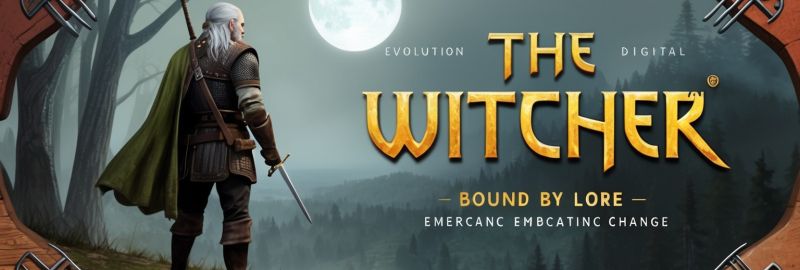
The realm of The Witcher continues to expand, inviting audiences to explore the myriad ways a story can be told. With a series poised at the intersection of beloved literary tradition and immersive gameplay, this universe offers a rich tapestry of narratives and artistic interpretations. Every version—be it the compelling books, the intricate video games, or the evolving television series—brings its own vision, style, and complexity to a world steeped in legends and moral quandaries. As audiences navigate this labyrinth of myth and modernity, they are reminded that adaptation is as much about honoring heritage as it is about innovation. The discussion surrounding recent shifts in casting and storytelling inspires Consider using: "a wider exploration of the timeless allure of" this fantastical saga.
Exploring the Depths of Narrative Transformation
The Witcher universe invites fans into a narrative experience that evolves across multiple media. The shift in portrayal, marked by the introduction of a new actor stepping into Geralt’s role, has sparked debates among long-time enthusiasts and newcomers alike. This change, rather than representing a break from tradition, opens the door for fresh perspectives while still revering the original literary works by Andrzej Sapkowski. In this transition, the adaptation remains Explicit about its link to the original content—a choice that reassures long-time readers, game enthusiasts, and TV viewers. By continuing to echo the spirit of the saga and its characters, the series crafts a bridge between generations of storytelling, ensuring that every interpretation contributes to the expansive mythology of The Witcher.
Aligning Vision with Heritage in Adaptation
Behind closed doors, the innovative blueprint guiding the series carefully respects Sapkowski’s established canon while providing room for innovation. Showrunner Lauren Schmidt Hissrich has been vocal about maintaining fidelity to the literary roots, ensuring that every choice reflects a deep appreciation for the lore. The decision not to diverge excessively from the books sets clear boundaries that contrast with other high-fantasy adaptations. This approach serves to validate both nostalgic perspectives and modern reinterpretations. It creates a balanced narrative where plot continuity coexists with a visually and thematically evolved storytelling method. Audiences are thus invited to witness a narrative that pays homage to its legacy, while simultaneously paving the way for transformative storytelling that resonates with contemporary viewers.
Embracing a Spectrum of Fan Experiences
In crafting the series, creators are acutely aware of the diversity within The Witcher’s audience. The passionate fanbase includes fervent readers, dedicated video game players, and curious newcomers drawn in by the television series. Each group brings unique expectations and emotional investments to the table. To accommodate this varied demographic, the production emphasizes that the books and games remain as solid pillars, independent of the series' narrative trajectory. This multi-faceted approach ensures that the universe is not confined to one form of storytelling. Instead, it functions as a living, breathing ecosystem where every version of Geralt’s adventures is valid and contributory to the overall mythos, affirming that there is no single path to experiencing this fantastical realm.
Intersecting Realms: Literature, Gaming, and Television
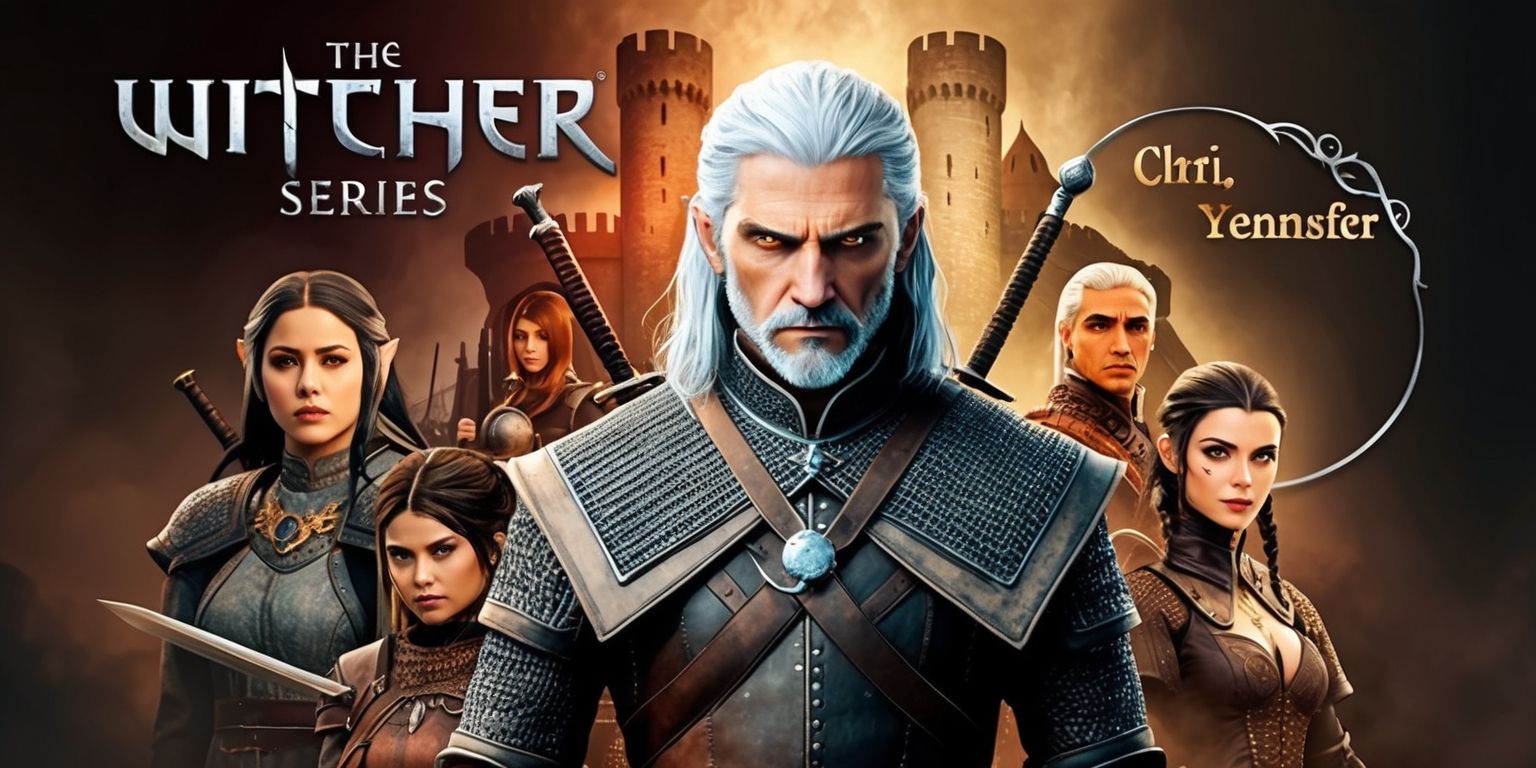
The Witcher universe showcases a unique interplay among three distinct forms of storytelling—literature, gaming, and television. Each medium offers a rich, separate journey yet unites to form a deeper shared experience. Video games by CD Projekt Red, for instance, have provided an alternative narrative that complements the written word and screen adaptations. These different expressions allow fans to experience the story from multiple angles, enriching their appreciation for the heroic and complex world they inhabit. The series itself acknowledges that its rendition of events and characters is but one perspective in a vast, interwoven tapestry. Audiences are reminded that whether they prefer the immersive detail of a game or the expansive storytelling of a novel, the heart of The Witcher remains powerfully intact.
Weaving Fantastical Elements with a Real-World Approach
The production of The Witcher series strives to create a balanced blend of the fantastical and the grounded. By choosing to stick closely to the original stories, the creative team leverages the deep-rooted mythology that has been built over decades. This commitment is evident across narrative arcs that traverse treacherous political landscapes, enchanted realms, and morally complex scenarios. The decision to keep the adaptation anchored in familiar lore while inviting modern cinematic techniques enriches the viewer’s experience. The emergence of new characters and reinterpretations of classic scenes is handled with care, ensuring that the thrill of myth meets the precision of contemporary storytelling. Such a synthesis challenges the audience to Contemplate the eternal essence of crafting legends and the modern evolution of fantasy art.
Innovative Adaptation and Faithful Storytelling
In the hands of a visionary showrunner, the art of adaptation becomes an exploration of both creative independence and reverence for tradition. The deliberate choice not to stray far from the source material reflects an understanding of audience sensitivities and the importance of maintaining a coherent narrative structure. While evolving an iconic character like Geralt inevitably raises expectations, the commitment to core themes ensures that every decision feels both innovative and respectful. The production values, narrative decisions, and casting dynamics are all meticulously aligned to honor the spirit of Sapkowski’s work. This process highlights the challenge of balancing dramatic new interpretations with the weight of longstanding tradition—a task that has resonated deeply with fans and critics, leaving the door open for numerous interpretations across the expansive universe.
Artistry and the Visual Landscape of The Witcher
The visual rendering of The Witcher universe is a standout aspect of its storytelling, melding traditional fantasy charm with modern cinematic flair. Intricate set designs, convincing costumes, and stunning Visual effects merge seamlessly, crafting an immersive experience that is both captivating and transformative timeless and cutting edge. This artistic vision is It's not merely about visual appeal; it also functions as an independent storytelling tool. Every shot is thoughtfully arranged to resonate with the overall narrative mystical and often treacherous world that Sapkowski envisioned. Moreover, the series incorporates elements that reflect its literary and gaming influences, bridging diverse artistic sensibilities. As viewers are drawn into lush landscapes, enchanted forests, and dark, mysterious dungeons, they are provided with a visual narrative that perfectly complements the written and interactive versions of Geralt’s enduring legacy.
Dynamic Character Portrayals and Evolving Identities
Deep within the saga's core stands the evolution of its characters, particularly Geralt, whose portrayal adapts to suit the shifting mediums. This adaptation period is marked by nuanced performances that seek to balance the grizzled warrior’s legendary past with his more recent incarnations. The transition of actors has stirred passionate responses, yet it emphasizes that character growth is multifaceted. The layered performances Provide a glimpse into a realm where personal identity takes form is molded by both destiny and choice. As the series ventures through its new seasons, the focus on authentic personality traits and moral complexities resonates with viewers. This approach underscores that heroic figures are not static—they are shaped by time, experiences, and the rich tapestry of lore that defines their existence in a fantastical world of endless possibilities.
Technological Enhancements and Immersive Game Mechanics
While The Witcher series spectacularly brings literature to the screen, its connection to the world of video games provides another layer of engagement. Emphasizing the detailed, interactive narrative of the games, this multimedia approach introduces a unique crossover of storytelling techniques. The visually striking scenes in the series Exhibit a steadfast dedication to excellence that mirrors the dynamic gameplay of titles like The Witcher 3: Wild Hunt. In the interactive realm, players are granted agency in exploring sprawling narratives, intricate plotlines, and personal moral dilemmas that echo the thematic depth of the original novels. Here, technology plays an indispensable factor in shaping experiences that are both visually arresting and emotionally resonant, reinforcing the idea that every medium contributes uniquely to the full spectrum of The Witcher’s rich universe.
Innovative Storytelling Through Adaptation Boundaries
The Witcher series treads a delicate line between reinventing a beloved narrative and adhering to established lore. This balance is achieved through innovative storytelling techniques that manage to refresh old tales while sustaining the essence of Sapkowski’s vision. The strategy revolves around a commitment to the source material even in moments where modern reinterpretations are essential for engaging today’s audience. By charting its course carefully and avoiding the pitfalls of unchecked deviations—unlike some other contemporary high-fantasy adaptations—the series finds strength in its adherence to a proven narrative core. This approach not only respects established fans but also makes the story accessible to newcomers. The careful melding of traditional mythos and creative innovation provides a unique window into a world where each new adaptation serves to enrich the overall tapestry.