
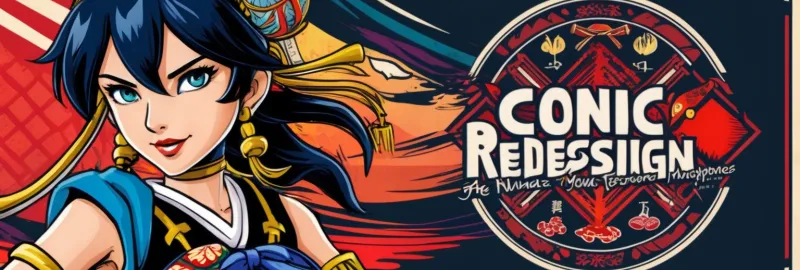
This article explores an intriguing chapter in the evolution of one of gaming’s most iconic characters as seen through a different cultural lens. It explains how plans for a localized visual style were once considered in Japan, and how those ideas ultimately influenced only ancillary elements of the game.
The upcoming release later this year revisits and reimagines the story from the debut installment in the series, retaining the well-known heroine. Despite being described as a reimagining rather than a full remake, the game continues to showcase the classic character design that fans have come to recognize.
During the initial launch phase of the first game, the local publisher in Japan proposed modifying the character to better resonate with local audiences. Their concept involved adjusting the appearance to feature larger eyes and softer, rounder contours, embracing a more manga-inspired look. A co-creator later revealed through a social media update that the development team resisted these changes. As a resolution, the alterations were reserved solely for supplementary materials such as the instruction manual and game guide.
- The publisher suggested a version with enhanced facial features and softer lines to appeal to Japanese tastes.
- The development lead was against altering the central appearance of the heroine.
- The only compromise was a design variation for printed guides accompanying the game.
This historical tidbit not only highlights the challenges of adapting a globally recognized character but also emphasizes the balancing act between preserving an established legacy and exploring regional adaptations. The cultural experiment, though limited to printed materials, remains a fascinating footnote in the character's enduring legacy.